








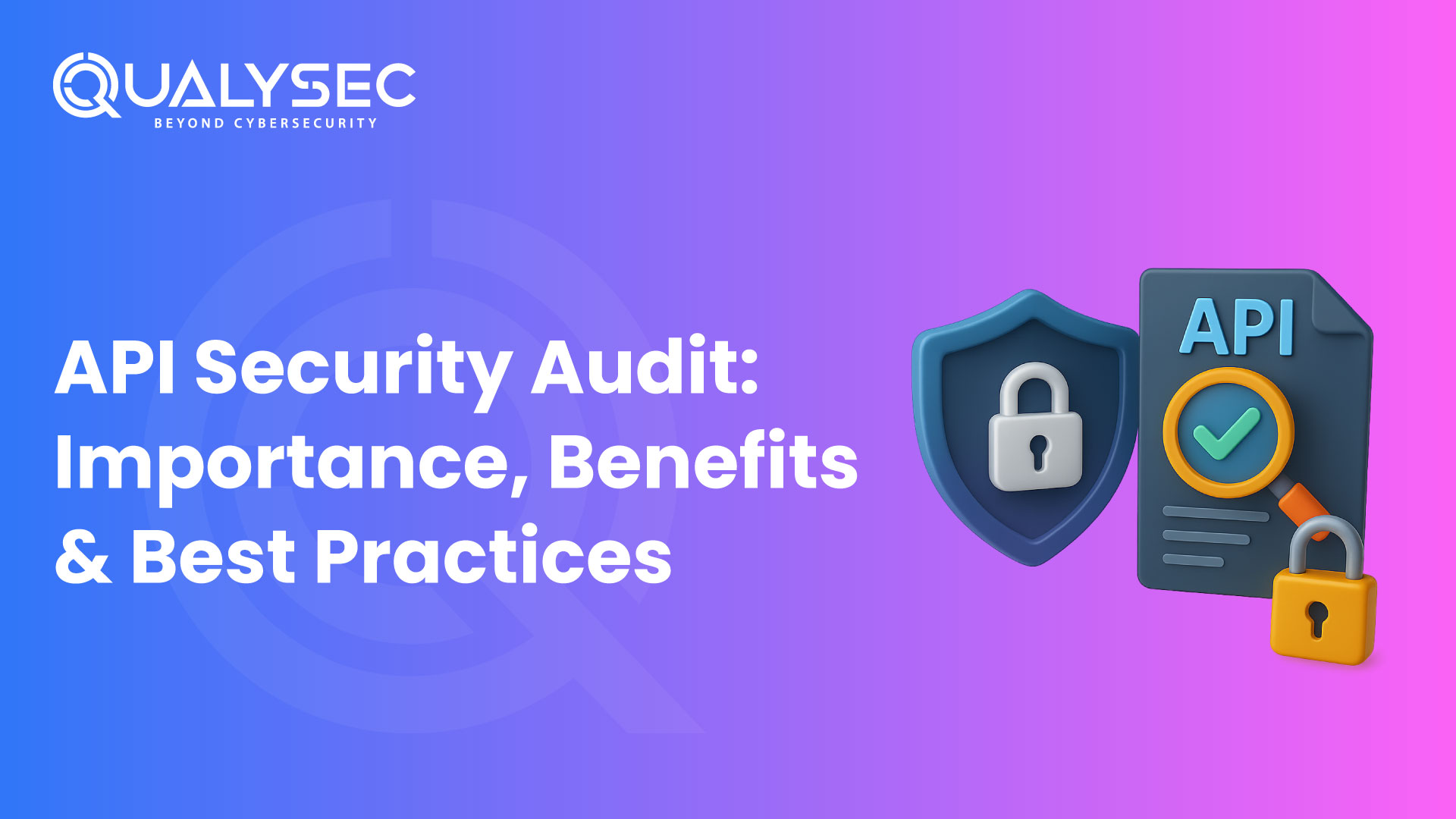
APIs have completely changed how we view software development and usage for both Internal and External Applications by enabling the connection and integration of previously disparate systems and platforms into a seamless application ecosystem. With this increased use of APIs, API security will always continue to be a growing concern, with the increase in the number of cyberattacks against APIs each year. For companies that wish to adequately protect themselves from these attacks, it will no longer be simply an option to practise good API security best practices. Organisations must deploy best practices to safeguard their APIs against future, increasingly sophisticated cyber-attacks on their systems.
In this guide, we cover all the necessary information required to Secure Your APIs for 2026. Mapping out your API Eco-System, Enforcing Strict Governance, Conducting Rigorous Testing, and Continuously Monitoring Your APIs.
10 Essential API Security Best Practices

The rise of APIs has provided a foundation for virtually every type of service available through digital channels today, including many third-party integrations and applications running on cloud platforms, making API Security Testing essential.
At the same time, more and more organisations are implementing APIs to better meet the needs of their customers. There is also a greater opportunity for criminals to exploit this technology by launching an array of cyberattacks against those APIs.
By adopting the correct API security best practices, organisations can protect their most critical information. It continues to offer robust services and provide safe digital transactions between itself and its customers in 2026. In this article, we provide ten important practices for securing your APIs.
1. Limit API Access
Only allow those you trust (users, apps, and systems) to access your API. Limit access permissions to what they need to use the API. Fewer users and keys create less risk if one of those accounts gets compromised, so regularly review the users with access and remove any user(s) or key(s) that are no longer needed to maintain a more secure API.
2. Maintain Your API
Updating an API regularly is one way to prevent it from becoming a security risk. Regularly updating your API helps correct any known issues with it, eliminate obsolete features, and bolster its overall security.
Maintaining an API through the regular maintenance of bug fixes, obsolete feature removal, and security enhancements significantly reduces the chances of your API being vulnerable.
Performing regular API evaluations will ensure that your API is consistently adhering to its designed software lifecycle and that it continues to be protected from emerging threats.
3. Token Management and Strong Authentication
Only having shared secrets or basic API keys will not protect the API in 2025 and beyond from hackers. Hackers are using automated token-based exploits, driven by AI, via credential stuffing or brute force methods to compromise the API.
All organisations that use APIs must now use modern authentication methods such as OAuth 2.0 and OpenID Connect to eliminate the vulnerabilities associated with using shared secrets. All tokens should have an expiration date and be securely stored. Tokens should be rotated frequently, based on a time frame set by the organisation.
Tokens should also use a strong signing algorithm (for instance, using JWTs) and include organisational policy-based scopes to limit the permissions the token provides. With adequate management of tokens, the chances of illicit access to an API due to a lost or leaked credential will be drastically reduced.
4. Use API Gateways/Security Proxies/Centralised Access Control
When you use a security gateway (or security proxy) for the management of your APIs, all API security audits can be managed from one centralized location.
You can use the gateway for handling authentication, authorisation, rate limiting, request checking, logging, and protected traffic on one layer. This simplifies the process of implementing security policies while guaranteeing that all APIs are operating under the same best practices.
5. Rate Limiting, Throttling & Traffic Controls
With the rise in AI-powered bots, credential stuffing tools, and automated attack systems have become more aggressive since 2025. API Security Testing Tools help identify how attackers are able to use your APIs to perform infinite login attempts to log in, take information, and flood your system with traffic if there are insufficient protections.
Establishing request limits for clients, IP addresses, and the service is one way to mitigate some of the risks associated with these attacks.
Clearly defined rate-limit values should be assigned for REST APIs, and intelligent throttling should be put in place to trigger when there is a sudden surge in traffic. These actions will help prevent abuse of the API security risk and ensure the service is still available to legitimate users during an attack.
6. Adopt a Zero‑Trust and Security‑First Culture — Document and Follow API Security Guidelines
Security is not a one-off task; it requires continuous attention, and an organisational culture of prioritising security from design through deployment, maintenance, and decommissioning.
Implement and enforce organisational policies around API Security Best Practices; provide security training for developers and teams; and regularly perform code reviews with security checks.
Maintain updated documentation for all APIs. Use standardised frameworks to provide consistency in development. Follow recognised guidelines when available (for example, apply the OWASP API Security Top 10 principles as guidelines). Treat security as an equal priority to all projects in the API lifecycle.
7. Fine‑grained Authorisation (Least Privilege, RBAC / ABAC)
Even if the authentication is accurate, weak authorisation can allow sensitive information to be seen or manipulated. The vulnerability of unauthorized users accessing objects they should not be able to see (broken object-level authorisation, BOLA) is still one of the leading causes of API breaches in 2025.
To reduce the risk of unauthorized users accessing sensitive information, organisations should implement the principle of least privilege by establishing RBAC or ABAC systems within their API environment.
Additionally, organisations should validate the permissions of their API users for every request made to the API and at a per-object/resource level.
8. Lifecycle and Version Management
Companies should establish and maintain a lifecycle management process that includes version control for all APIs. Creating, maintaining, and using proper documentation for APIs, decommissioning APIs regularly based on their usage patterns, and tracking API versions throughout the organisation as an inventory.
Implementing these processes greatly reduces a company’s overall risk of outdated code and misconfigured/insecure APIs and allows them to maintain a less cluttered and more manageable API attack surface.
Explore top API security companies to protect your APIs from modern threats.
9. Regular Testing of Security (API Security Testing & Audit)
Simply having a List of Items to check for as part of a Security checklist to use in ensuring coverage leaves many ”Blind Spots” that attackers may exploit. To identify vulnerabilities in an API, we suggest using a combination of Automated Testing Toolkits.
Some toolkits, such as Static analysis, Dynamic Testing, Fuzzing, and Schema Validation, alongside a Manual Penetration Testing / Audit approach to identify vulnerabilities.
When working with APIs using non-traditional paradigms (such as GraphQL), adopt Testing Frameworks that analyse the Interdependency of queries and mutations. Doing so will assist in the process of identifying Access Control Vulnerabilities and/or sophisticated injection risks.
Add API Security Guidelines into your Continuous Integration and Delivery Pipeline to ensure that any API being replaced or any updates to an API are verified before deployment.
10. Monitor, Log, and Continuously Audit
Securing APIs relies on more than just preventative controls; real-time monitoring and logging, along with a regular schedule of auditing, should also be in place to detect suspicious activity and/or possible data theft.
The modern way of identifying an attack on an API is by using AI or behaviour-based threat detection software that can identify unusual behaviours of APIs. If a user experiences more than one unsuccessful login attempt, accesses data they shouldn’t have, or there is suddenly an influx of API traffic, this may indicate a DoS attack.
If an organisation regularly audits its API access and usage reports, it will help it remain compliant with regulations and provide an early warning for a misconfigured API, an unapproved endpoint, or an unexpected change.
Conclusion
Rapid growth has led to increased API usage, and API security best practices must become a priority instead of merely being an option. Unmanaged endpoints, automated attacks, and disconnected devices pose increasing threats to organisations.
To achieve a proactive approach to securing your organisation, establishing and maintaining a complete inventory of APIs, enforcing strong authentication, monitoring traffic, and validating input are essential. Testing your APIs regularly will help build a strong defence against current and future threats.
Security of APIs is not merely an initial effort. It’s a continual process of ensuring security at every point of the API development lifecycle, which leads to the creation of highly secure and trustworthy digital experiences.
Schedule a call with Qualysec to get started with API security testing today.
FAQs.
1. What is the best way to secure an API?
The best way to secure an API is to combine many different security techniques. These include strong authentication methods, proper authorisation, and the use of encrypted communication channels (i.e., HTTPS), implementing rate limiting, input validation, and regularly auditing your APIs.
2. What are two best practices for API security?
Use secure authentication methods such as OAuth 2.0 or OpenID Connect to authenticate users to your system. Restrict user access to only what they are authorised to access by using either Role-Based Access Control (RBAC) or Attribute-Based Access Control (ABAC).
3. Why is API security important for businesses?
An API can provide access to sensitive information about customers and/or payment processing. If a hacker gains access to an API, then the company could experience a data breach, face legal liabilities associated with the data breach, and experience financial damages from the breach.
4. How can users securely authenticate to an API?
Token-based authentication, such as OAuth or JWT, when used in conjunction with Multi-Factor Authentication (MFA), provides a high level of security for APIs. It ensures that users who have been verified and authorised can only access API Endpoints.
5. How can APIs protect from injection attacks?
To protect from injection attacks, we must validate and sanitise all input from users. In addition, the use of parameterised database queries protects against executing malicious requests.
6. What tools do you use for API security testing?
Examples of common tools include Postman, OWASP ZAP, Burp Suite, SOAP UI, and APIsec. Each of these tools helps to identify potential issues with an API that could lead to a successful attack against it, including weak authentication mechanisms and injection vulnerabilities.
7. How often should you do API security testing?
Testing needs to take place throughout each development cycle after completing a deployment phase. This allows for the early discovery of newly introduced vulnerabilities that may be present within an organisation’s systems and allows an organisation to better protect itself against these types of risks.










































































































0 Comments